Ellis Koch · 26 September 2026
Resin from Pine Trees: A Guide to Its Collection and Use in Sustainable Jewelry Making
Pine resin forms as a natural defense mechanism in coniferous trees across North America and Europe, where it seals wounds and repels insects through a sticky, aromatic secretion that hardens upon exposure to air, and this substance has gained attention in sustainable jewelry applications because of its renewable qualities and biodegradable properties when harvested responsibly.
Understanding Pine Resin Properties
Researchers have documented that pine resin consists primarily of terpenes and resin acids, which give it durability and a translucent finish once processed, while its chemical composition varies by species such as Pinus sylvestris in European stands or Pinus ponderosa in western North American forests, and these variations influence color, hardness, and clarity in final jewelry pieces.
Data from forestry studies show resin yield peaks during active growth periods, allowing collectors to time harvests without stressing individual trees, and observers note that sustainable yields remain consistent when tapping occurs on mature specimens rather than saplings.
Collection Techniques in Practice
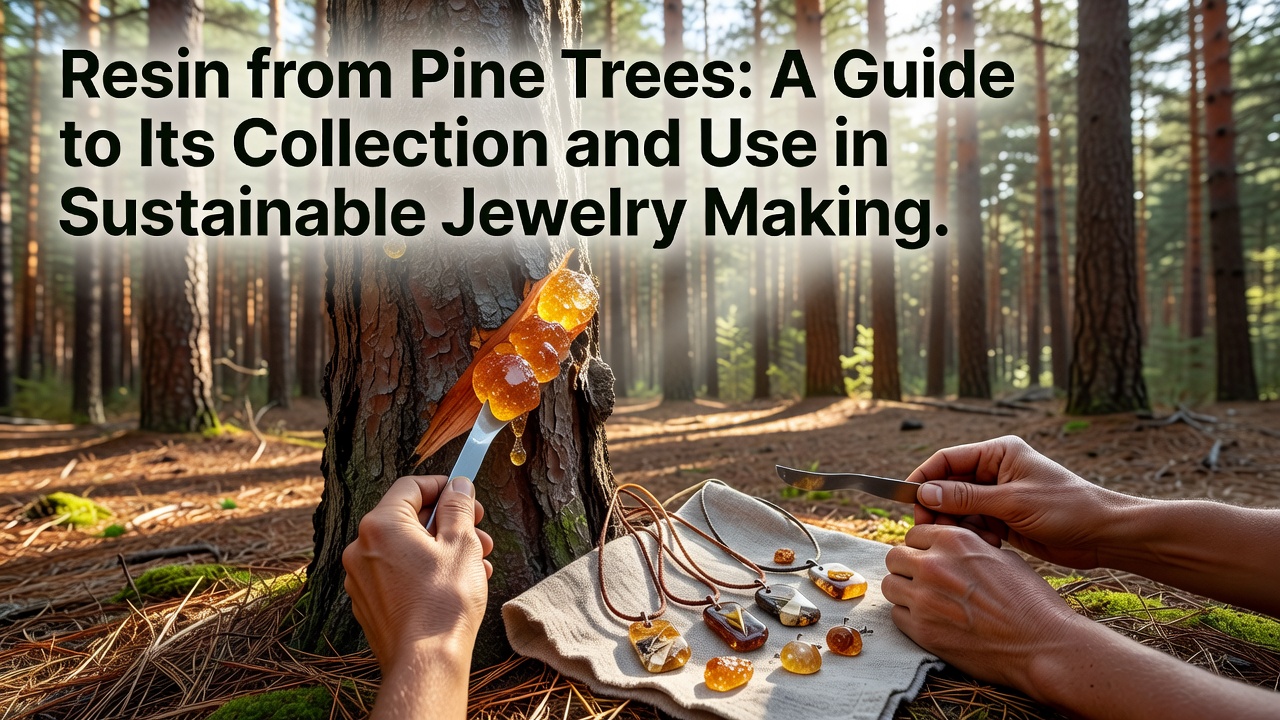
Traditional collection methods involve making shallow incisions in the bark during late spring through early fall, then attaching collection cups or using absorbent materials to gather the flowing sap, and foresters in regions like the Pacific Northwest combine these approaches with rotation schedules so individual trees recover fully between sessions.
In September 2026, forestry reports highlighted updated guidelines from Canadian agencies that emphasize minimal bark removal to preserve tree health, while similar protocols in Scandinavian countries focus on seasonal timing to align with lower insect activity and reduced resin oxidation rates.
Sustainability Considerations
Evidence indicates that ethical resin harvesting supports forest ecosystems when conducted under regulated permits, because it avoids the clear-cutting associated with other resin sources and allows trees to continue providing habitat and carbon sequestration, and industry data reveal that certified sustainable operations maintain resin output while preserving biodiversity metrics in mixed pine stands.
Those who manage pine plantations often integrate resin collection with other non-timber forest products, creating diversified income streams that reduce pressure on timber resources, whereas over-tapping leads to measurable declines in tree vigor according to long-term monitoring programs run by government forestry services.
Processing Resin for Jewelry Use
After collection, resin undergoes filtration to remove bark fragments and debris, followed by melting at controlled temperatures around 150 degrees Celsius to achieve workable consistency, and artisans then strain the liquid through fine mesh before allowing it to cool into blocks or incorporating it directly into molds for beads and cabochons.
Studies from research institutions in Australia demonstrate that blending pine resin with natural waxes or plant-based oils produces composites suitable for casting, and these mixtures exhibit improved flexibility that prevents cracking during drilling or polishing stages common in jewelry fabrication.
Applications in Sustainable Jewelry Design
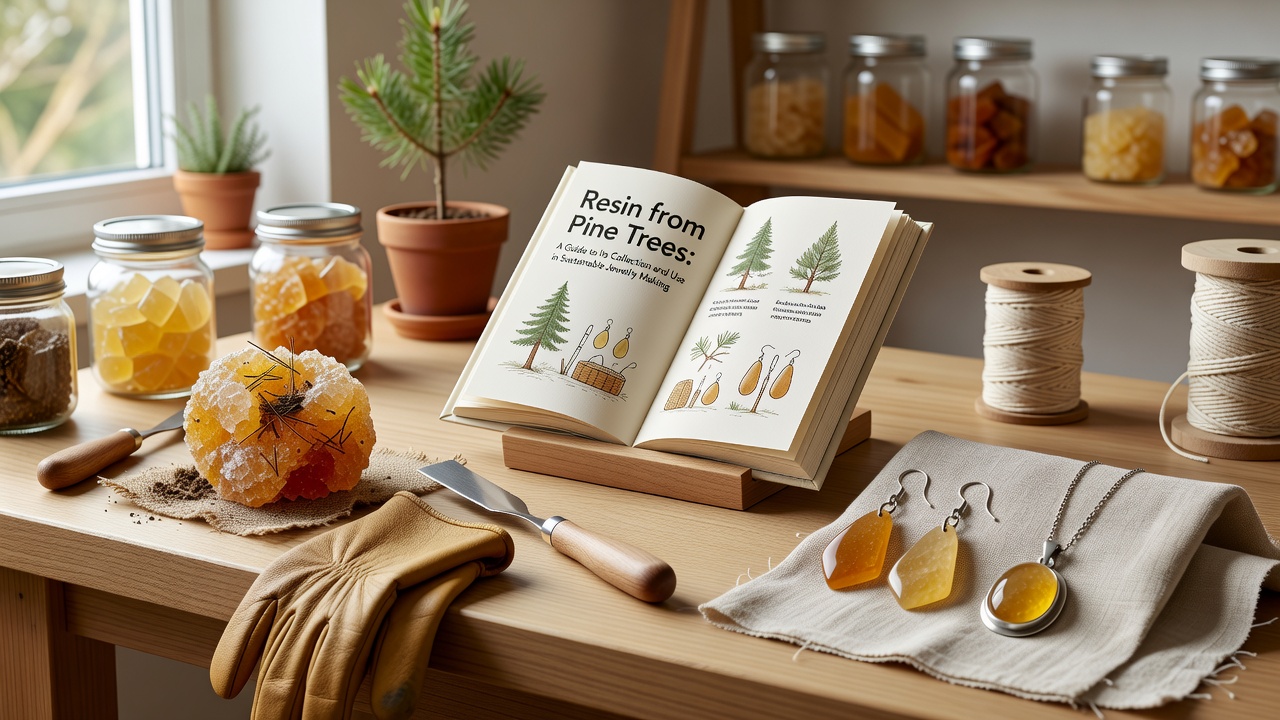
Jewelry makers incorporate processed resin into earrings, pendants, and rings by embedding dried botanicals, minerals, or metal accents, creating pieces that highlight the material's natural amber tones while avoiding synthetic resins derived from petroleum, and supply chain analyses show that locally sourced pine resin reduces transportation emissions compared to imported alternatives.
Workshops documented in European trade publications teach techniques for stabilizing resin with UV inhibitors derived from plant extracts, extending the lifespan of finished items without compromising biodegradability at end of use, and figures from material testing labs confirm these stabilized pieces withstand daily wear comparably to traditional plastics.
Conclusion
Collection and use of pine resin in jewelry represent a closed-loop approach when guided by scientific forestry practices, because the material returns to natural cycles at disposal while supporting ongoing forest management, and ongoing monitoring by regional authorities continues to refine best practices for both yield and ecological balance.